


Introducing Hiphoon Gems: Your New Source for Ethical, Traceable Gemstone Beauty
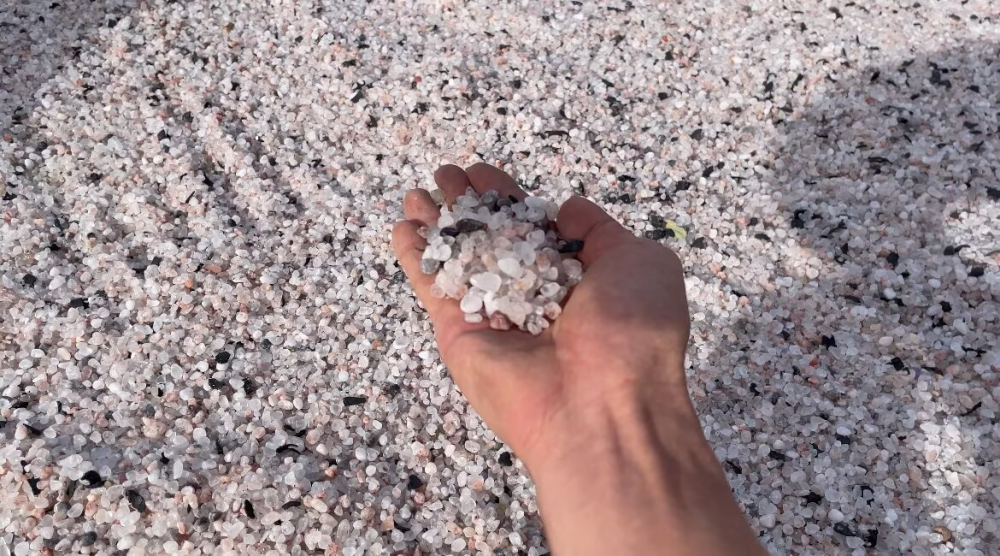
15 November, 2025Natural gemstone chips (also known as semi-precious stone chips, crystal chips, or gemstone nuggets) generally refer to small, irregular particles made from natural minerals or gemstone rough that have undergone initial mining, cutting or coarse crushing, and rotary tumbling (polishing). Their size is typically around 3–12 mm, with a smooth, glossy surface.
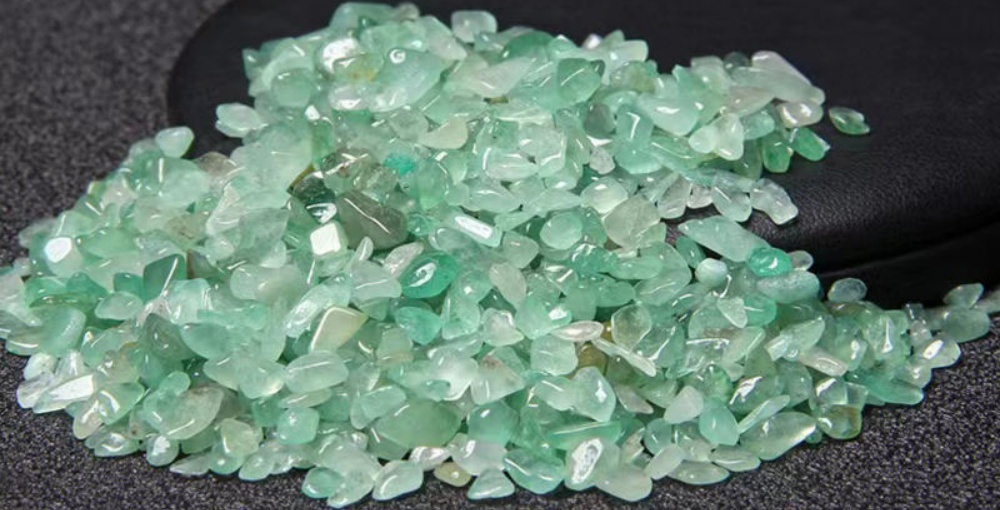
The tumbled gemstone gravel are commonly used as a drainage layer and decorative material at the bottom of flower pots, for potted plant decoration, tabletop or home décor, aquarium use to help purify water, pillow filling for cooling and sleep support (especially suitable for summer), foot massage, DIY jewelry, handmade bottle filling, and also for providing visual and tactile comfort that may help relieve anxiety and create a calming environment.
Truly “natural” natural gemstone chips must be processed from genuine natural ore. It is not possible to “manufacture” brand-new natural gemstone crystals in a laboratory, as those would be classified as synthetic gemstones. Below are the most common production methods for semi-precious stone chips.
The Most Practical DIY Process for Natural Gemstone Chips
(Rotary Tumbling Method → Producing Smooth Natural Crystal Chips)
1. Raw Material Selection (The Most Critical Step – Determines Whether the Stones Are Truly “Natural”)
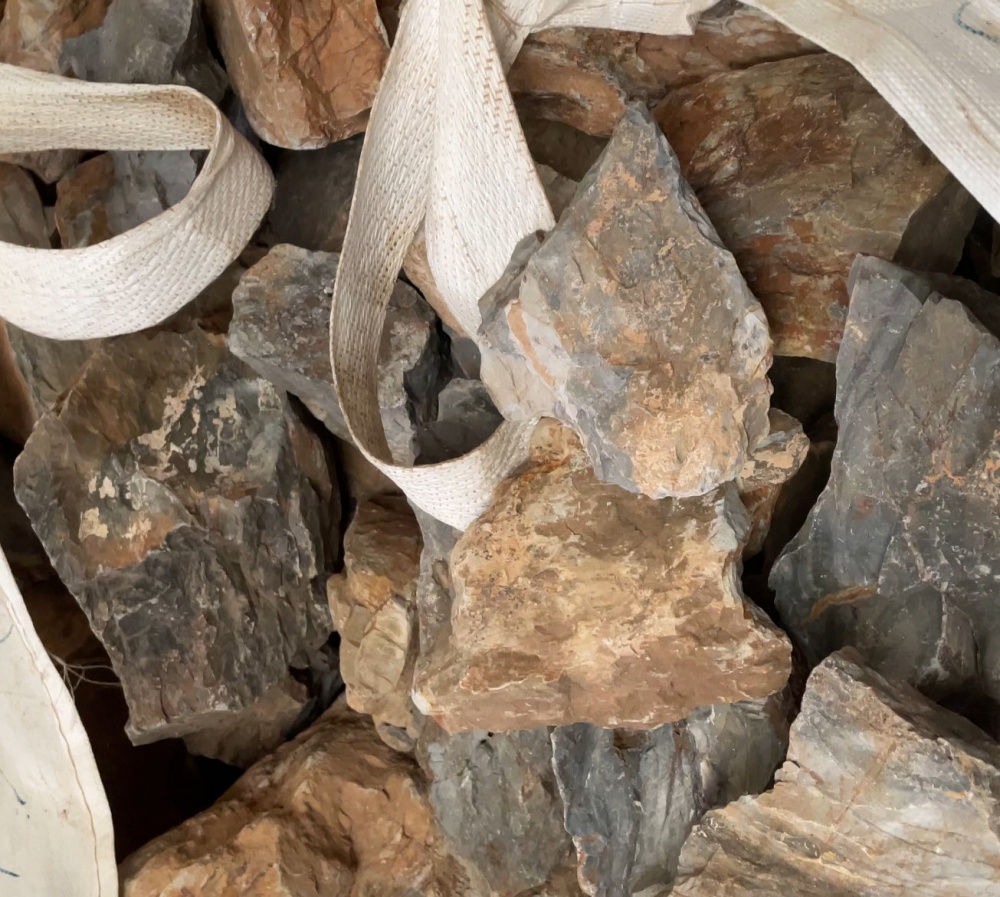
Purchase natural gemstone rough fragments / mineral rough / low-grade rough offcuts (commonly available on online marketplaces or mineral markets).
Common affordable varieties include:
clear quartz, agate, blue lace stone, labradorite, jasper, zebra stone, rose quartz, strawberry quartz, tiger’s eye, lapis lazuli, turquoise, green phantom quartz, rainbow fluorite, moonstone, sunstone, obsidian, green aventurine, garnet, amethyst, egg-yolk stone, citrine, and more.
Recommended initial size: 1–5 cm fragments (larger pieces need to be broken first). You can also source offcuts from professional gemstone processing factories, which usually offer good quality at reasonable prices. These fragments will later become gemstone nuggets or polished natural crystal chips.
2. Coarse Crushing (Optional)
Use a hammer wrapped in cloth or a small jaw crusher to break large pieces into 1–3 cm fragments. Always wear protective goggles and gloves to prevent injuries from flying debris. This step helps produce the basic shape of semi-precious stone chips before polishing.
3. Cutting the Rough Stone (Optional)
Use a stone saw or cutting machine to cut rough stones into smaller blocks. This step roughly defines size and shape. Cutting tools must match the hardness of different stone types.
After cutting, use a grinding machine with abrasive wheels of different grits to remove rough surfaces and smooth the stone, improving its overall finish. A crusher may also be used to further break larger blocks into smaller pieces. The final size depends on customer requirements—some prefer small, bead-like natural crystal chips, while others need larger fragments as gemstone nuggets for carving.
After crushing, use a sieving machine to separate stone chips into different size ranges.
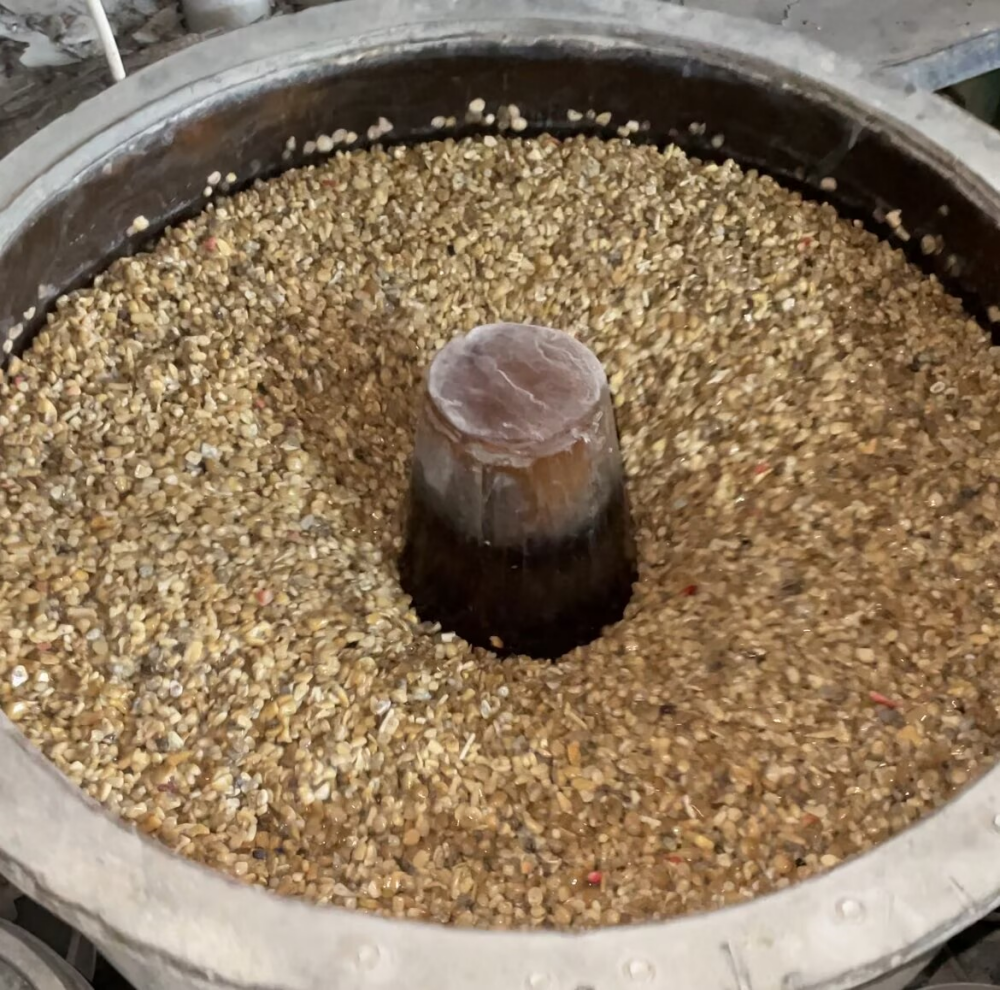
4. Rotary Tumbling (Core Step) → Creating Smooth Semi Precious Stone Chips
A rock tumbler is required. The standard 4-step tumbling process (total time: approx. 2–4 weeks):
| Stage | Abrasive Type | Grit (Mesh) | Time | Description |
|---|---|---|---|---|
| Step 1: Coarse Grind | Silicon Carbide (SiC) | 60/90 or 80 | 5 days | Rounds sharp edges, basic shaping for natural gemstone chips |
| Step 2: Medium Grind | Silicon Carbide | 120/220 or 220 | 6 days | Surface becomes smoother |
| Step 3: Fine Grind | Silicon Carbide or Aluminum Oxide | 500 or 600 | 6 days | Nearly mirror-smooth crystal chips |
| Step 4: Polishing | Cerium Oxide / Aluminum Oxide / Gem Polishing Powder | — | 7 days | Mixed with water into a slurry to produce shine |
5. Cleaning and Inspection of tumbled gemstone gravel
After polishing, thoroughly wash the stone chips to remove dust and abrasive residue. Clean water and a mild detergent can be used.
Operation Tips:
- Clean the stones and tumbler thoroughly every time you change grit (residual coarse grit can scratch stones in later stages).
- Filling ratio: stones should occupy 50–60% of the tumbler volume; the remaining space is for grit and water.
- Tumble stones of similar hardness together to avoid scratching.
- For brighter colors, dyes can be applied before polishing (note: dyed stones are no longer purely natural).
6. Drying & Sorting
Rinse with clean water after polishing and allow to air-dry (can be sun-dried on a clean surface). Use sieves to separate different sizes (e.g., 3–5 mm, 5–8 mm, 8–12 mm). Remove pieces with severe cracks or defects.
This process ensures that your natural gemstone chips are uniform and ready for use or sale.
7. Packaging and Sales of natural gemstone chips
The finished semi-precious stone chips are classified by size and quality, then packaged into different batches for sale to jewelry makers, craft artisans, or wholesale buyers. Stone chips and gemstone nuggets are also prepared separately according to size for specific applications such as DIY jewelry or decorative purposes.
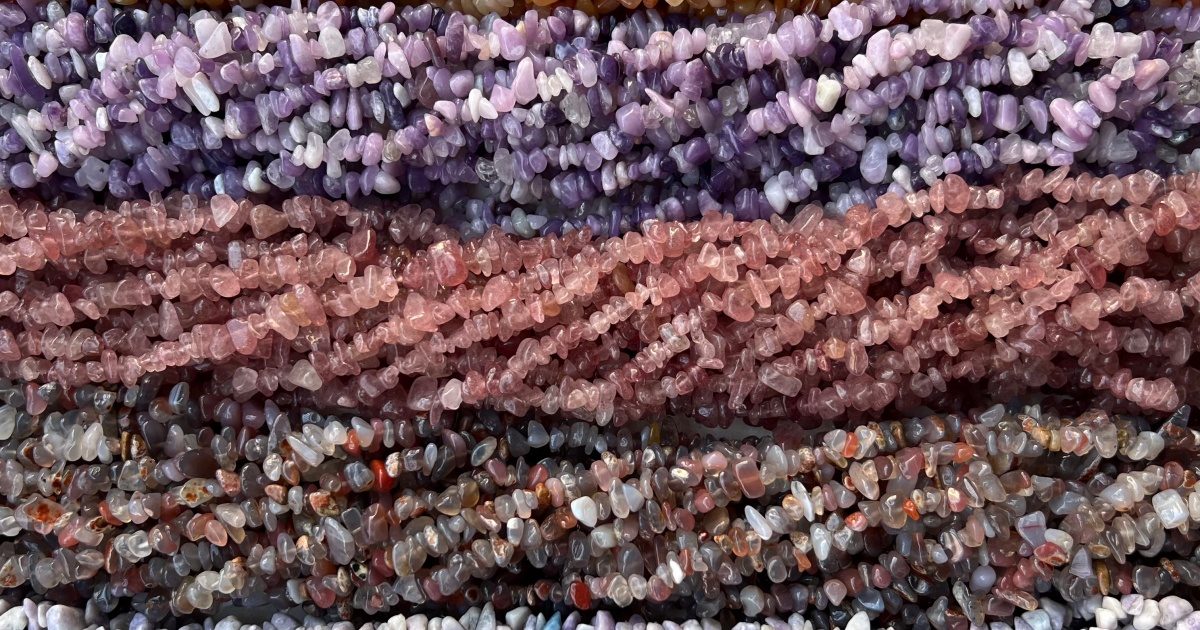
Explore Our Gemstone Nuggets Collection
Crystal Chips Manufacturer From China
Check out our latest gemstone collection on our Facebook page